
 Produkty
Producenci
Produkty
Producenci
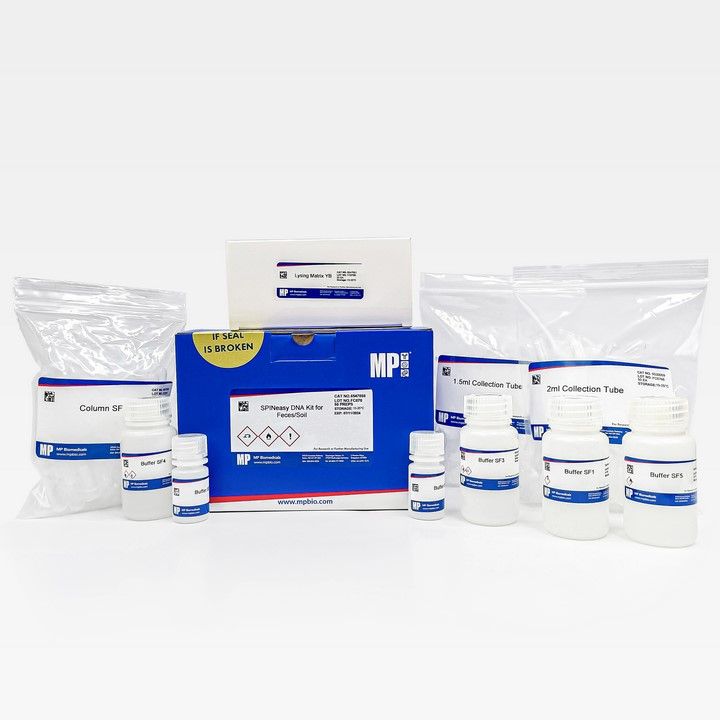
SPINeasy® DNA Pro Kit for Feces

Opis
Soil and fecal samples display distinct processing challenges. The composition of fecal samples is largely dependent on diet which includes fibers, undigested particle, bilirubin, complex polysaccharides, and lipids.
Those compounds impair the sample homogenization, decrease both the quantity and quality of the DNA extracted. Conversely, soil samples often contain a large amount of inhibitory compounds such as humic acid, heavy metals, and other aromatic components which may be co-purified with the DNA and interfere with downstream applications.
The SPINeasy DNA Kit for Feces / Soil was designed to tackle these challenges by providing an efficient way for rapidly isolating high-quality DNA from both feces and soil samples. Irrespective of their complexities, all samples are optimally homogenized by bead beating with the new Lysing Matrix YB and lysis Buffer SF1. Subsequent treatment with Buffer SF2 effectively removes humic acid and other contaminants.
The chemistry included in Buffer SF3 enables the specific binding of DNA without co-purification of RNA, eliminating the need for RNase A treatment. DNA obtained from heavily contaminated soil samples showed no inhibition in PCR and was immediately ready to be used for downstream applications, including long fragment PCR, qPCR, and next-generation sequencing (16S and whole genome) without the need for a further inhibitor removal step. 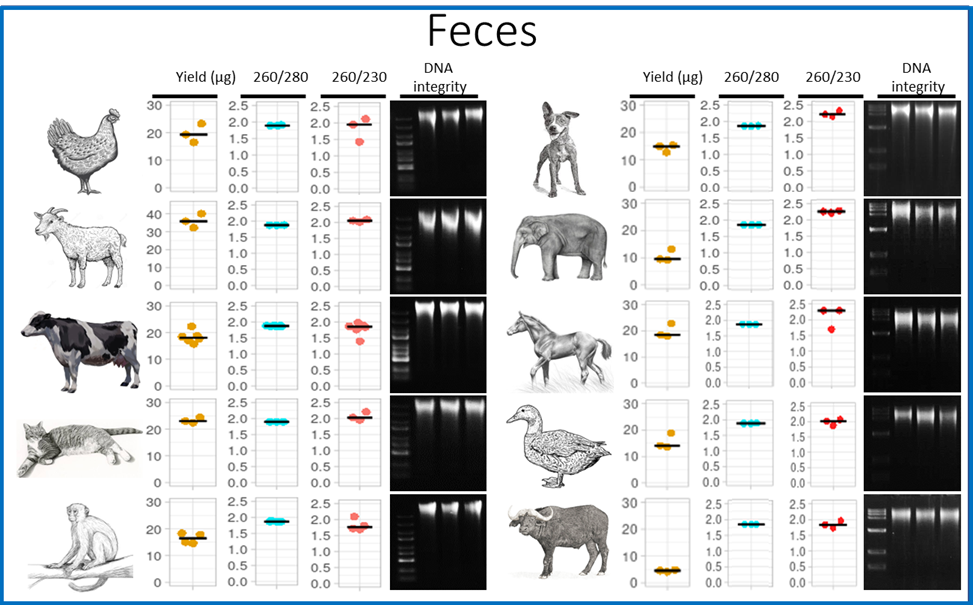
Figure 1: Fecal samples from animals with various diets prepared using the SPINeasy DNA Kit for Feces/Soil.
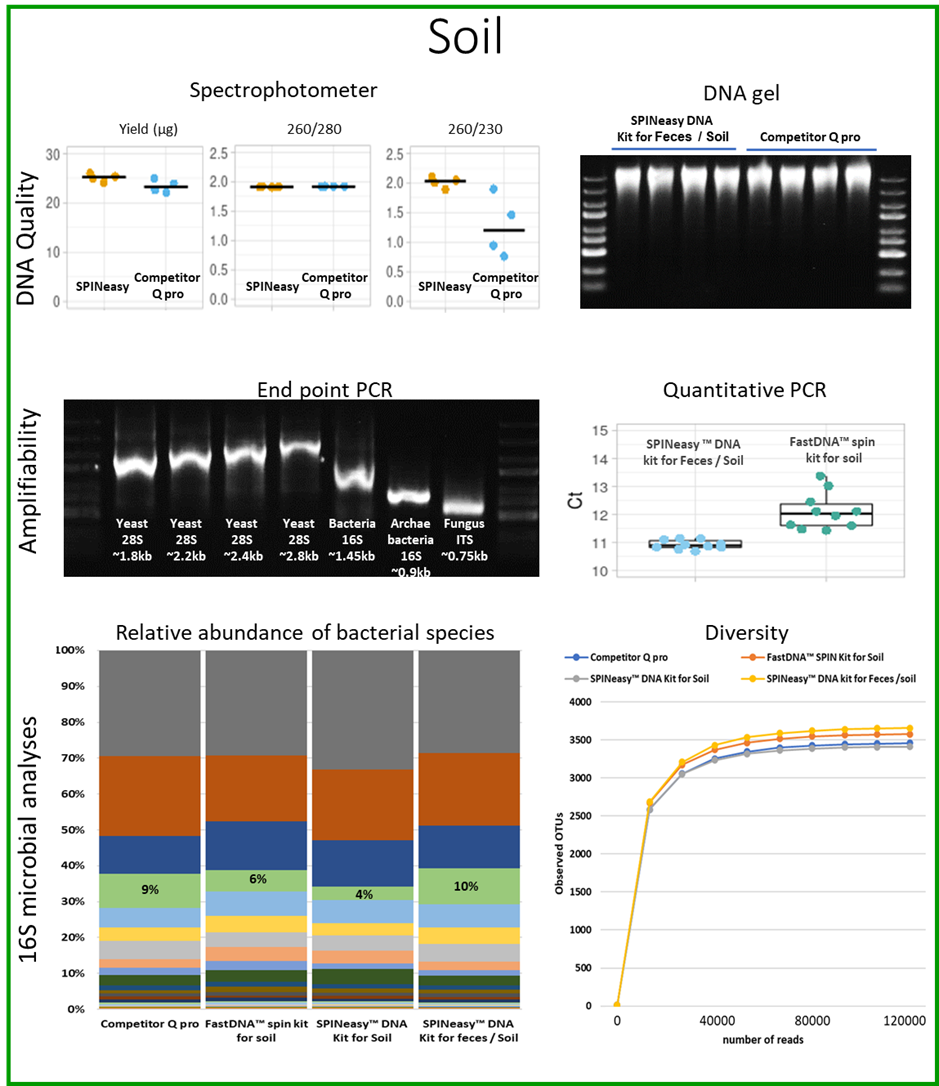
Figure 2: DNA extracted from high biomass / contaminant soil samples using SPINeasy DNA Kit for Feces / Soil and a competitor kit. DNA quality. The DNA yield, purity (A260/280 and A260/230 ratio) and integrity were assessed using spectrophotometer in quadruplicate and DNA gel, respectively. Each dot of the plot represents a single extraction. The horizontal bars indicate the median value. Amplifiability. DNA obtained from soil are more prone to inhibitor contamination. The absence of inhibitor in soil samples obtained using SPINeasy DNA Kit for Feces / Soil kit was confirmed using inhibitor-sensitive PCR and undiluted sample as well as quantitative PCR. 16s microbial analysis. The hypervariable region V4 of the bacterial 16S rRNA gene was amplified using DNA extracted using the 4 extraction kits described in the legend. Sequences were obtained using a NovaSeq PE250 platform and analyzed using the Qiime 2 pipeline. The relative abundance of bacterial species compilated from 4 technical replicates is shown on the left. The percentage indicate the average proportion of gram positive firmicutes (green) found in DNA samples derived from the same soil sample. The rarefaction curves corresponding to each method are depicted on the right. The alpha diversity was measured by the number of operational taxonomic units (OTUs) identified (vertical axis) following the sequencing depth (horizontal axis).
Sample Type: Feces, Up to 250 mg per prep of fecal/stool samples
Dane techniczne
| Opakowanie | 50 preps. |